English Style Scones
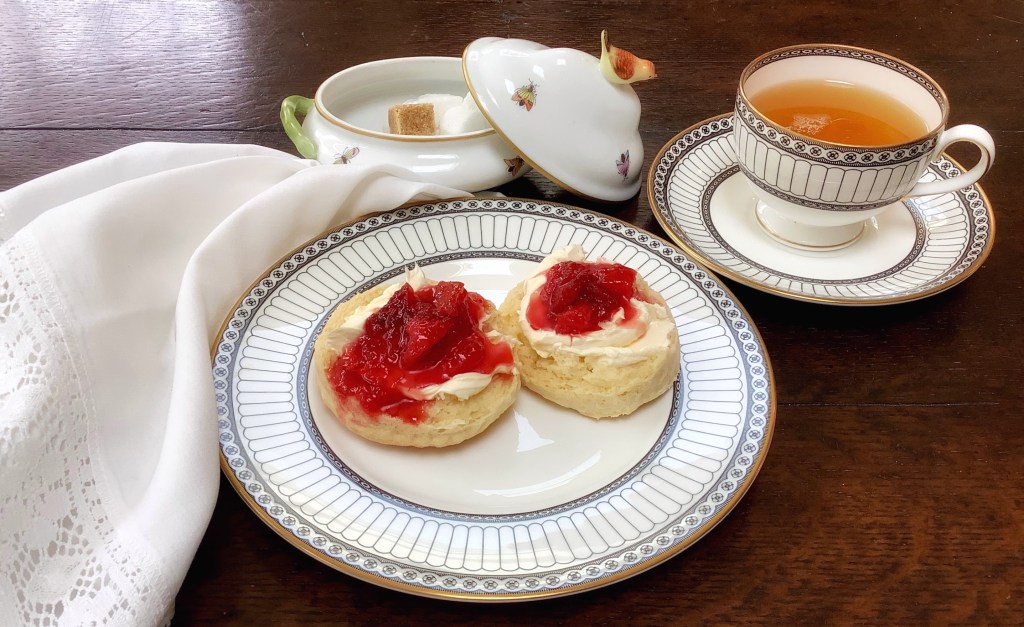
One More Bite scones and Strawberry/Lemon Preserves

Having a scone at a little tea room in Clovelly, England was a revelation. Clovelly is a little fishing village, my favorite kind because I love the sea. The cafe was built into the side of a cliff that bordered the beach. I remember the precipitous descent from the top of the cliff down rickety stairs, a thin white railing keeping us from plunging down to the beach below. The scones were the best we’d had in England. They were light and soft and not too sweet or rich, forming the perfect platform for thick Devonshire cream and strawberry preserves.

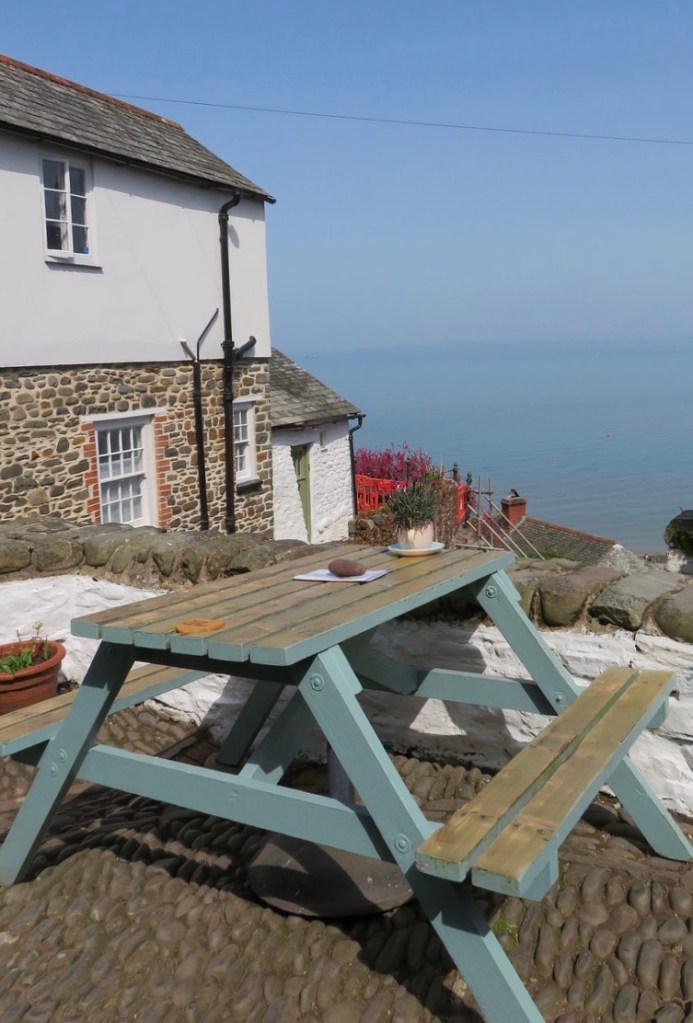
Beach at Clovelly
Cottage Tea Rooms

Since Clovelly, those many moons ago, I have fiddled around with a number of recipes, trying to create scones that duplicated that memory I had. I often start with Cooks Illustrated because everything is scaled and it makes it that much easier to sort out how to adjust ingredients. They have a recipe for a English style scones and it was good but not quite what I was looking for. In the end, I used it as an outline but made some changes. I also tried Mary Barry’s recipe and a few other British recipes that call for self rising flour. Getting self rising flour in the states is difficult and expensive. I didn’t find that it made a difference in the finished scone, so I wouldn’t bother with it. The difference between British self rising flour and US AP flour is that the British flour has baking powder in it and is milled from softer wheat. You can always try this recipe with pastry flour, which is lower in gluten than AP flour. Keep in mind, flours that are lower in gluten will need less liquid, so hold more back and add as needed.

INGREDIENTS
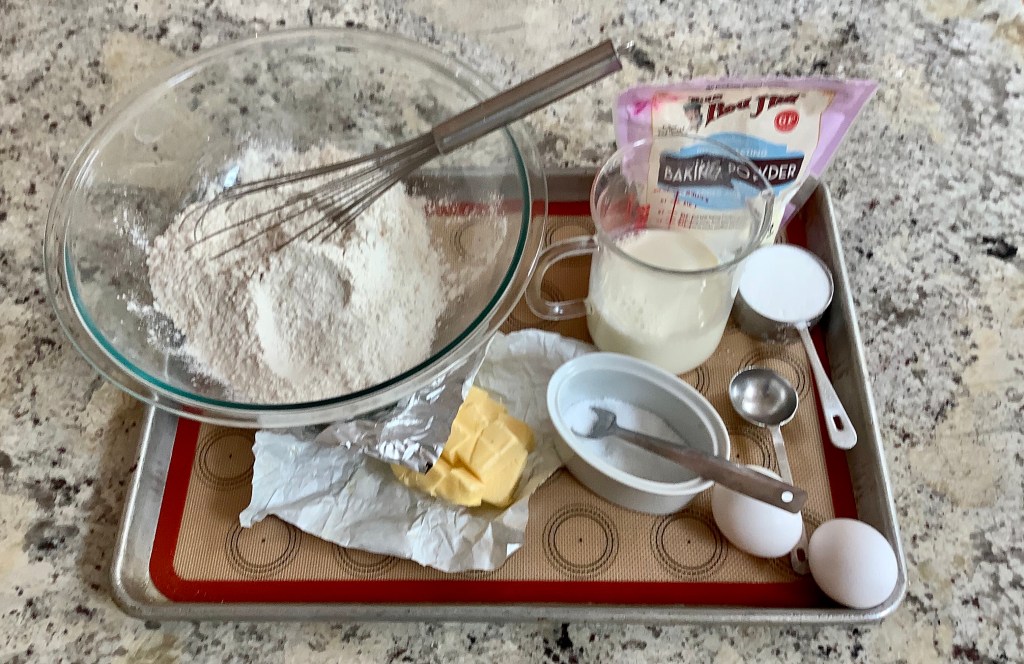
Mise en Place
  • 425 grams (15 oz) all purpose flour (Gold Medal or Pillsbury)
  • 113.5 grams (4 oz) cultured butter, room temperature, about 65-70 degrees
  • 1/2 teaspoon salt
  • 2 tablespoons double acting baking powder
  • 100 grams (2 large eggs)
  • 245 grams (1 cup) whole milk
  • 68 grams (1/3 cup) superfine sugar

Read More

Stuffed Zucchini (Courgettes Farci)

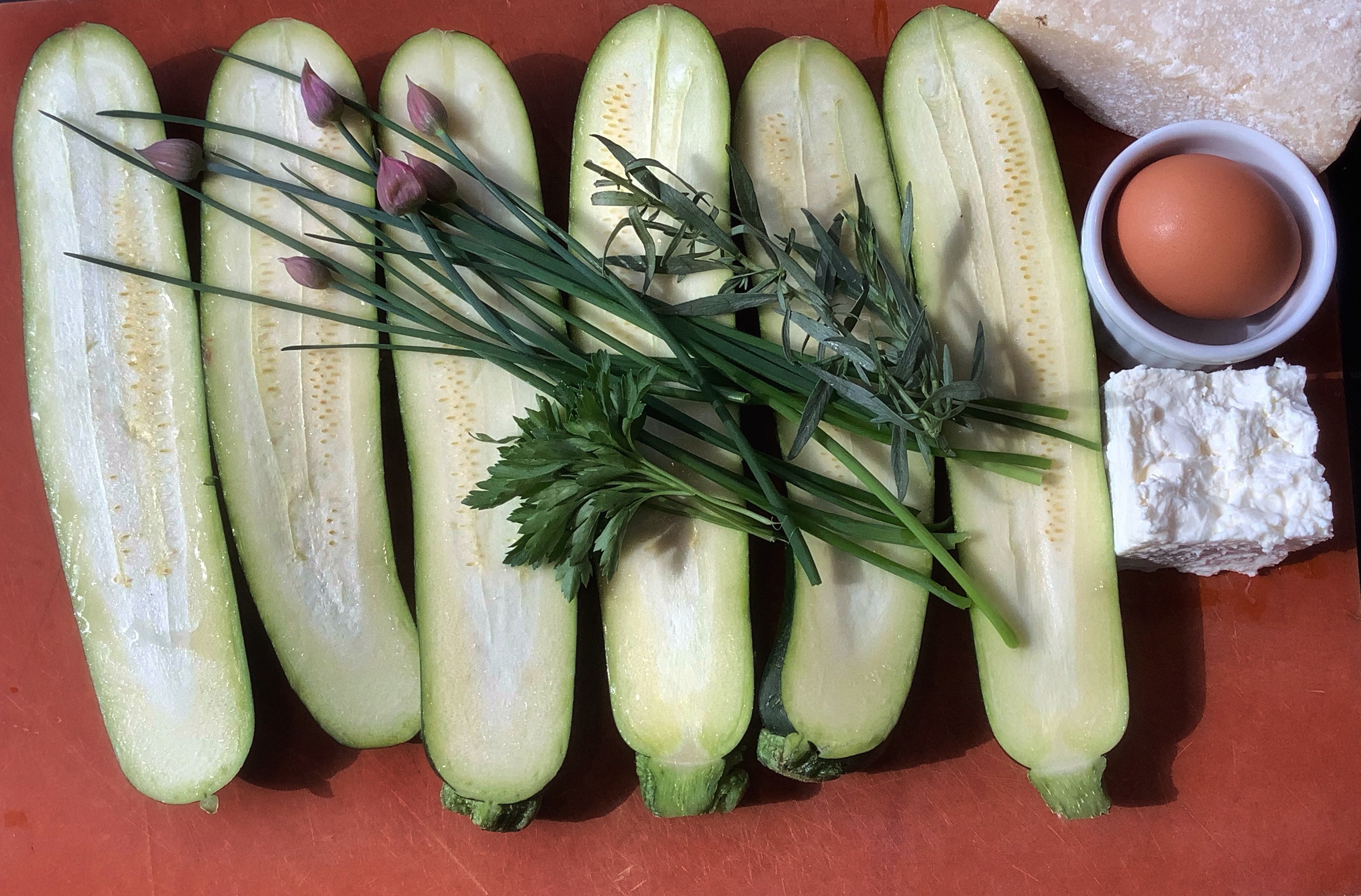
Another of my friend Sandra’s Recipes. I helped her make this one the same weekend she made the Artichokes à la Barigoule in her stone house in Chartres. We picked the tarragon, parsley and zucchini in her garden and purchased the ricotta and feta at the farmers market.

You can improvise with the herbs although I suggest always using parsley and chives. Sandra used thyme, when she first made this for me and I do that version but often substitute tarragon or chervil when I can find it.

INGREDIENTS

  • 3 large zucchini (about 2.5 pounds)
  • 2 teaspoons chopped fresh chives
  • 2 teaspoons fresh tarragon or thyme
  • 2 teaspoons chopped fresh parsley
  • 10 oz ricotta
  • 3 oz feta cheese
  • 3oz grayed gruyère cheese
  • 1 egg
  • Freshly ground pepper
  • Salt
Read More

Pear Preserves with Star Anise and Vanilla

Please read my page on preserving before you attempt this recipe
I love pears but they are very low in pectin and thus problematic to use in preserves. There are a few solutions for this issue.

You can purée one third to one half the pears and keep the other half in large chunks. The purée thickens the preserves base which compensates for the looser gel. You can add a high pectin fruit to the pears. Nice pairings are, white or red currants, green apples, lemons or cranberries or pineapple quince. What’s important to respect is the delicate flavors of pears so when I mix in other fruits I use a ratio of 2:1: two parts pear to one part partner fruit. You can also use about two teaspoons of Ball pectin (not the low sugar pectin). I make sure you mix it with a few tablespoons of your sugar so it doesn’t clump. As an extra anti clumping step, I dissolve the pectin/sugar mixture in a small bowl with some of the hot liquid from the preserves. When I’m certain it’s dissolved, I throw it into the pot while stirring. The pectin will help the pears gel as long as you also use a pectin bag with the shells and seeds of the lemons you juiced for the preserves. I also save all my lemon seeds in the freezer and you can add whatever you have. Throughout the year, as I juice lemons for other preparations, I put the seeds in a zip lock bag and throw them in the freezer.

With this preserve preparation, I will be getting the pectin I need from the the juiced lemon shells and The body I need by puréeing half the pears.

INGREDIENTS

  • 1.2 kg (2 3/4 lb) ripe but firm Fetel or Bartlett pears or 1kg net
  • 750 g (3 3/4 cups) grams superfine sugar
  • 60 grams (1/4 cup lemon juice from tart lemons (about two Eureka lemons)
  • 4 star anise
  • 1 vanilla bean
  • Pinch of salt
Read More

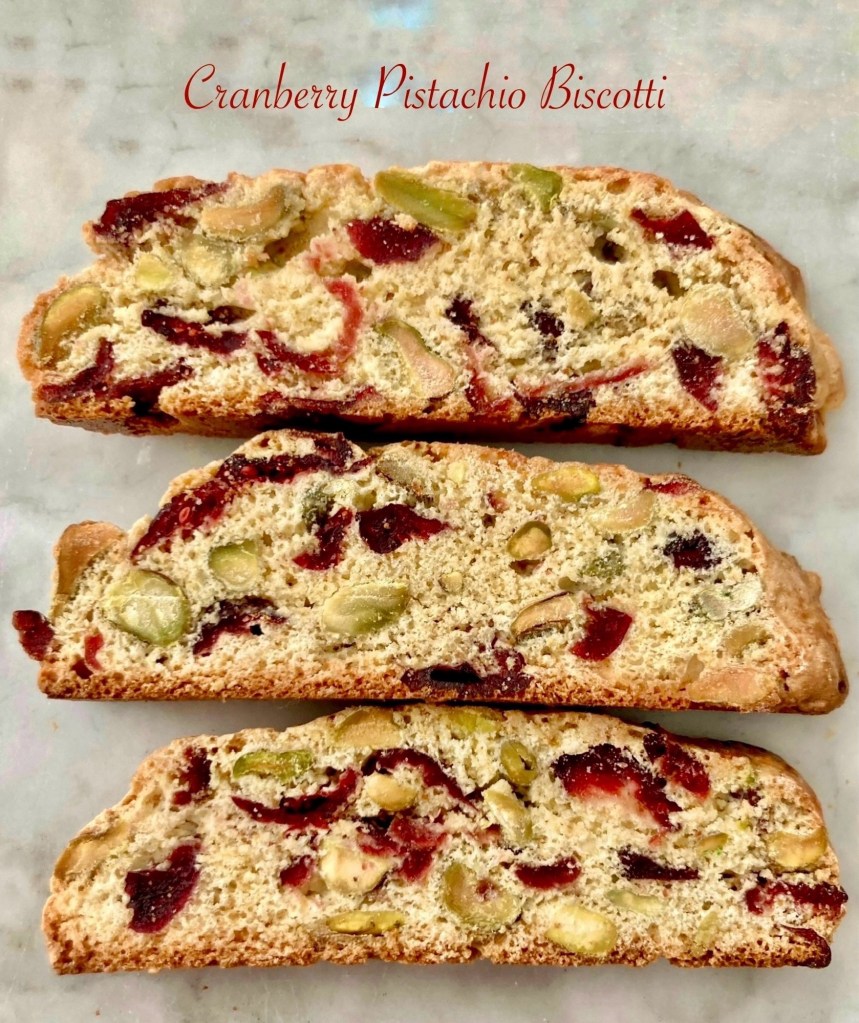
Pistachio and Cranberry Biscotti (with variations)

Being Italian, I remember biscotti always being in my grandmothers pantry or my mother’s cookie jar.

Every Christmas, my Grandma Natalia and my Aunt Nina made dozens of biscotti. Some they kept and some they gave away in great big tins, each cookie hand wrapped in waxed paper. They took one dough and made several different types of cookies: biscotti flavored with lemon and anise and studded with almonds, little pillows with cinnamon sugar, and little logs covered in sesame seeds.

Over the years my mother collected a variety of biscotti recipes and would bake them, put them in tins and freeze them. They freeze really well and we always had a variety of biscotti for dessert.

There are several formulas for biscotti, using different fats. My grandma Natalia and Aunt Nina used vegetable shortening. My mother has a few recipes that use butter and some that use only whole eggs or whole eggs plus yolks.

One of my favorites is a biscotti recipe with cranberries and pistachios. I have altered it a bit, to make it my own. They are very crunchy biscotti, meant to be dunked in coffee, tea or a glass of Vin Santo. If you like this formula, which uses no fat other than the egg yolks, you can keep the base and just substitute the additions. These biscotti have a very crisp bite. Hazelnuts or dried cherries and chopped bittersweet chocolate, chopped chocolate and candied orange rind, almonds and apricots and walnuts and dates are all nice combinations. You can add spices, Vanilla or citrus zest as well.

Read More